
Key Takeaways from an Example Treatment Case
Gambling disorder is often called a “hidden addiction.” Unlike alcohol or drug use, its effects are easily concealed behind phone screens, financial accounts, and the cultural normalization of betting. As gambling opportunities expand, more partners and family members may find themselves blindsided by the emotional and financial fallout. The example case of Mary, described here, highlights how therapy can benefit loved ones of individuals with gambling-related problems.
Secrecy can create distress and confusion for loved ones
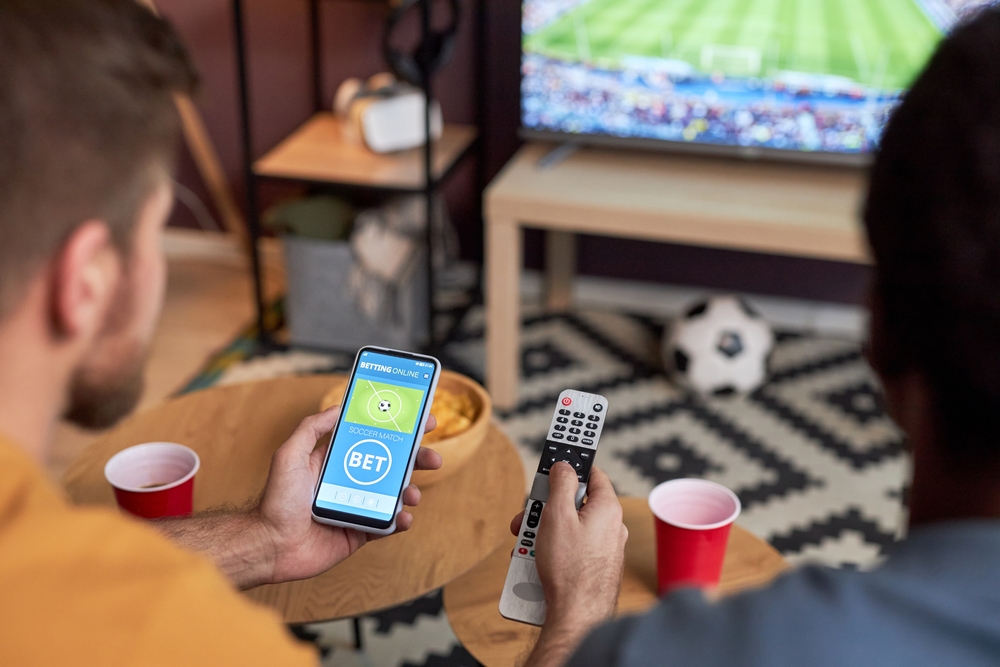
Secrecy, access, and social acceptability can create pathways for problem gambling. Online sports betting platforms allow for near-constant engagement—and can conceal problems. For Mary, her partner had been gambling for years, and her discovery of his hidden gambling led to anxiety, anger, and grief, followed by a period of hypervigilance in which she found herself checking financial accounts for signs of continued gambling. This pattern mirrors what research tells us many loved ones experience: a sudden rupture of trust, confusion about what happened, and difficulty distinguishing casual enjoyment of gambling from addiction. Research shows that gambling can remain undetected until a significant financial loss or emotional crisis occurs. Further, partners are not the only ones affected; research suggests up to six people may be negatively affected by one person’s gambling.
How we understand gambling shapes how we heal from it
How partners conceptualize gambling disorder affects the process of creating and maintaining change. Is gambling a moral issue, a medical illness, or a mix of both? Mary initially described her husband’s gambling as “a disease he contracted,” seeing it as something that disrupted his judgment, rather than something he chose. This medical framing allowed her to feel compassion and release some of her own self-blame, shifting her thinking from “I should have known” or seeing the issues as a reflection of her shortcomings in the relationship to understanding that the process of addiction drove the harm. Yet therapy also helped her see that empathy and accountability can coexist and that understanding the illness doesn’t erase responsibility for the harm caused. Instead of offering a one-size-fits-all explanation of gambling disorder, the therapist begins with the person’s existing beliefs and works alongside them to weave their moral, medical, or psychosocial views into a more balanced, evidence-informed understanding.
Effective therapy focuses on communication, understanding, and emotional recovery
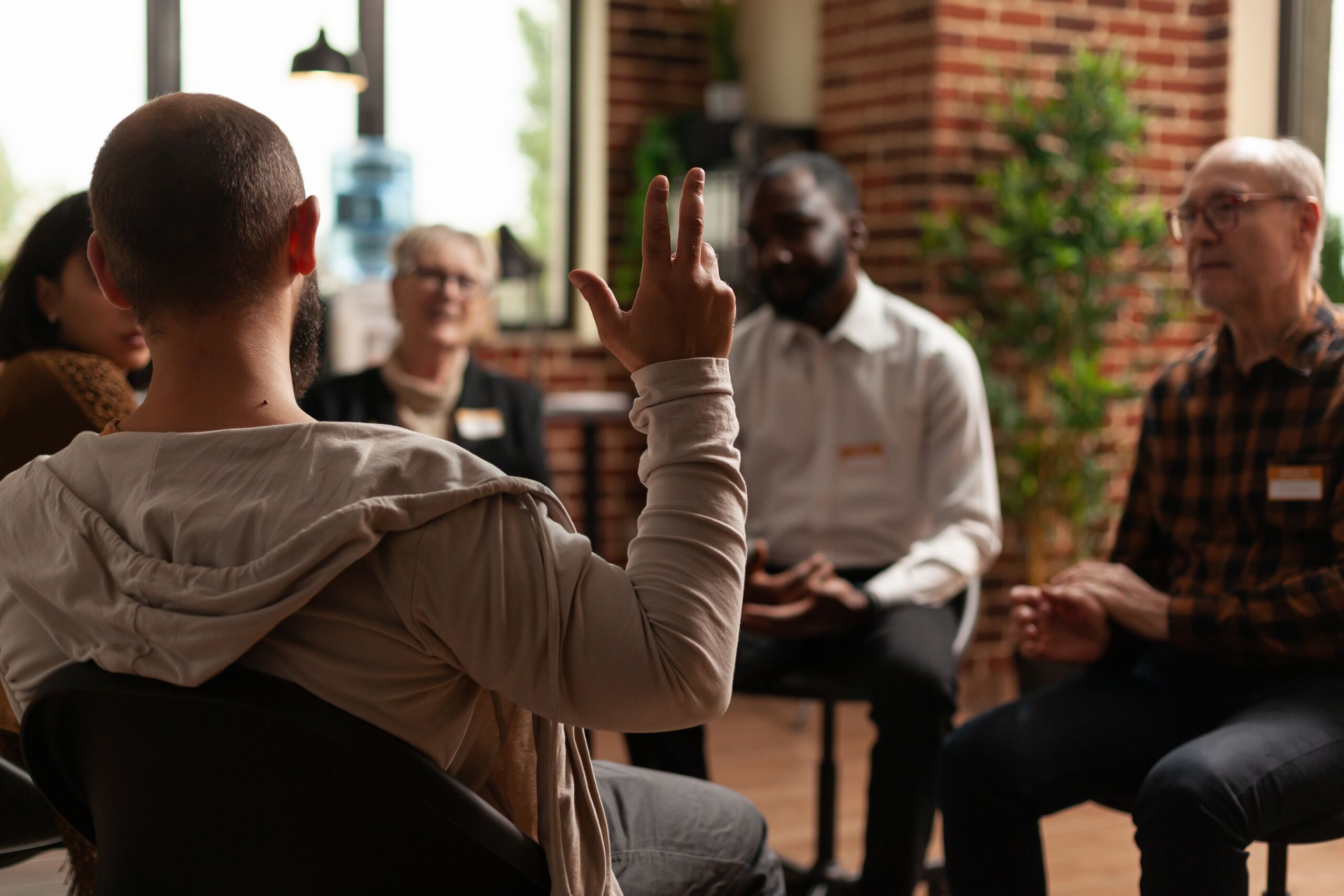
Treatment of a significant other aims to support both relational healing and their personal healing. Mary’s therapy combined supportive and emotion-focused approaches with practical skill-building. Early sessions centered on building her understanding of gambling disorder and processing emotions, such as validating her anger and grief. As therapy progressed, she learned new communication tools (e.g., assertive “I” statements, boundary-setting scripts), financial management strategies, and emotion regulation skills like mindfulness and paced breathing. This balance of compassion and accountability helped Mary restore agency and reduce hypervigilance, thereby fostering healthier patterns within her relationship and life.
Action Steps to Consider: Rebuild trust and personalize prevention
This study highlights the need to empower and support significant others as active participants in recovery. Therapists and community organizations could:
- Recognize significant others as clients in their own right and offer supportive counseling to help them process emotions and set healthy boundaries.
- Provide education about gambling and gambling disorder to reduce stigma and promote early help-seeking.
- Build skills around communication, emotion regulation, and financial transparency to foster trust and stability.
- Encourage relational repair and mutual accountability when both partners are willing to engage in recovery.
If these supports are in place, loved ones and concerned significant others, like Mary, are better equipped to navigate the emotional and practical challenges of gambling harm and then find meaning, hope, and renewed connection in the process of healing.
Concerned significant others of individuals experiencing gambling disorder are encouraged to reach out to The Gambling Clinic at 1-833-842-8600 or tgc@memphis.edu to discuss services we can offer.
This example treatment case is a composite of clients seen by The Gambling Clinic and common qualitative reports of concerned significant others seen in the literature. Any resemblance to an actual individual is coincidental.
This research brief results from the work of the Tennessee Institute for Gambling Education & Research (TIGER). Based at the University of Memphis and East Tennessee State University, TIGER conducts research on gambling, the treatment of gambling problems, and responsible gambling. The Gambling Clinic, Tennessee’s provider of gambling treatment services, is TIGER’s clinical service division. TIGER is funded by the Tennessee Department of Mental Health and Substance Abuse Services. All findings and views are the authors’ own, and not necessarily those of the State of Tennessee or the Department of Mental Health and Substance Abuse Services. To inquire about treatment at The Gambling Clinic, contact us at 1-833-842-8600 or tgc@memphis.edu. You can also explore our website at thegamblingclinic.com to learn more about our research, clinical services, and other resources.
This brief is based on a clinical vignette, combined with insights from recent research on gambling disorder and its impact on families.
Anderson, N. S., & Ginley, M. K. (2026). Psychotherapeutic support for concerned significant others affected by Gambling Disorder. Journal of Health Service Psychology. https://doi.org/10.1007/s42843-025-00139-1
About the student author:
Noah Anderson is a doctoral student in clinical psychology at East Tennessee State University, a member of the Tennessee Institute for Gambling Education and Research, and a therapist at The Gambling Clinic. His research interests include Appalachian and rural mental health, help-seeking behaviors, and relational factors that influence effective psychotherapy.