
If you spend any time on social media, you might have seen the viral meme floating around with the cast of The Sopranos surrounding a poker table that says – “Fact: 90% of gambling addicts quit right before they’re about to hit it big” – suggesting that if gamblers who walked away had placed just one more bet, they would likely have won a fortune. The meme has become so popular that you can even buy t-shirts and coffee mugs with the viral phrase. This meme has sparked numerous discussions online, with some people taking it seriously and others dismissing it as a joke.
We are sure the meme creators meant no harm. Like many exploitable memes, it was likely created to be humorous with the hopes of becoming an internet sensation. The problem is that this “statistic” is not only completely fabricated for entertainment purposes but also potentially dangerous information that isn’t funny at all. Such misinformation can mislead people about the realities of gambling and its risks, potentially exacerbating gambling problems.
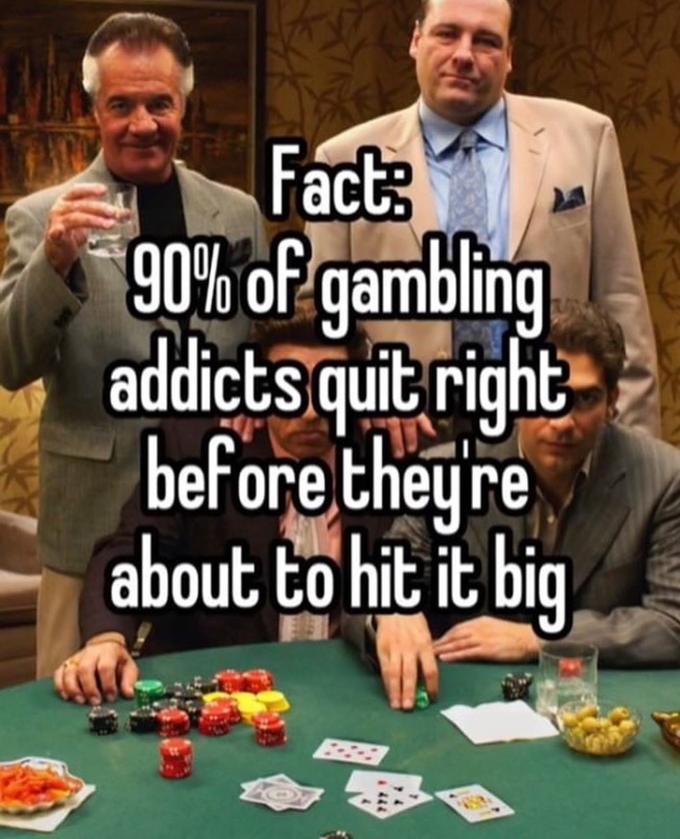
Image Credit: https://knowyourmeme.com
The truth is that, win or lose, many gamblers don’t quit, which can lead to gambling addiction, the uncontrollable urge to continue to gamble no matter the consequences. Furthermore, throwing the dice, spinning the wheel, or saying “hit me” one more time does not guarantee you will hit the jackpot if you stick around long enough. The psychological impact of believing in such falsehoods can drive individuals deeper into gambling debt and addiction.
In fact, another study from UC San Diego (Rady School of Management) shows that the odds are significantly against you. The study analyzed a panel of 717,724 online gamblers across 32 states from 2019 to 2023 and found that only about 4% came out ahead and roughly 96% lost money over the period. Those odds are small if you hope to “win big.” These statistics highlight the stark reality of gambling outcomes, contrary to what viral memes suggest.
In this blog, we will break down the origin of the “90% of Gamblers Quit Before They Hit It Big” viral meme floating around social media. We will also discuss the website headline from The Onion, where the meme seems to have originated, which cites a study claiming that “83% of Gamblers Quit Before They Hit It Big.”
We will also uncover the actual facts about your gambling odds, gambling harms, and how to know when social gambling has turned to problem gambling, and offer responsible gambling tips so you can enjoy betting here and there without the fun taking a negative turn. Our goal is to provide accurate information to help you make informed decisions about gambling.
Moreover, we will provide actionable insights and strategies for responsible gambling to ensure that you can enjoy gambling activities without falling into the trap of addiction. Understanding the risks and adopting a mindful approach to gambling can make a significant difference in maintaining a healthy relationship with betting.
Fiction: 90% of Gamblers Quit Before They Hit It Big
This “statistic” circulating online seems to be entirely fabricated and lacks any evidence to support it. The real truth is that each game you play at a casino, whether you play for 5 minutes or 5 hours, has a statistical probability that you will lose, not win.
We will provide some factual statistics about gambling so that you are aware of your actual odds and the dangers of problem gambling, but first, let’s look at where the numbers in this viral meme come from.
Origin of the Statistic That 90% of Gamblers Quit Before They Hit it Big
This is a perfect example of not believing everything you read online. It’s not entirely clear where the 90% statistic came from. Still, it seems to be an exaggerated number that originates from a headline posted on June 6th, 2013, on a satire and humor website, The Onion (whose stories often get mistaken for real news when they are, in fact, satire)
The 2013 satirical headline read – “Study: 83% Of Gamblers Quit Right Before They Would Have Hit The Big One,” – referencing a make-believe study and quoting a make-believe researcher who claimed to have uncovered that a majority of gamblers walk away from the table right before becoming millionaires. More on this alleged study and its validity next, but before anything else, let’s break down this viral meme.
While different versions of the meme template went viral on Instagram, Twitter, and other similar social media sites in 2022 and 2023, according to a popular meme site, it was originally posted in 2014 by an unknown user on an image macro reading, “Proven fact: 90% of gambling addicts quit right before they would have hit it big!”
Another version of the meme came out a few months later, resulting in this false information spreading. Fast forward to 2023, where the recaptioning of The Sopranos Whisper post is commonplace and viral. The first found instance of this meme came from Instagram user @trashcanpaul, and it later went viral on Twitter, TikTok, and Instagram pages.
We should also add (not that it would make the meme any more accurate) that this statistic was never quoted on The Sopranos. Someone just used the widely popular cast of the show as a visual to go along with their made-up number.
Validity of Study That Claims 83% of Gamblers Quit Before They Hit It Big
This study first appeared on a satirical website. Satire and fake news are different. This study was first published on a satirical website. Satire and fake news are not the same. Satire uses humor and exaggeration to comment on real people, events, or social issues. Its main purpose is to entertain, encourage people to think, or make a bigger point, rather than to fool readers into believing the content is true.
Fake news, on the other hand, is made up of fictional stories or situations. The creators of these pages often do not like being called “fake news.” They say their aim is different: to share thoughtful ideas about real people, events, and social trends. Many times, they want to start conversations, challenge common beliefs, or inspire social change.
Either way, you must know that what you read on a satire website is rarely true. They are unreliable sources, but sadly, many people don’t know this, which results in the spreading of false information.
In the case of the “83% of Gamblers Quit Before They Hit it Big” study and quotes from researchers, it seems to be entirely fiction. We found no record of the study or of the researchers quoted being real. This highlights the importance of critical thinking and verifying information before accepting it as fact.
That said, let’s say the study was real, and the post was not satire. Even then, you must be observant because not all research is created equal. Not only are study findings often biased or overhyped by companies that use them to promote themselves or their products indirectly, but the way they were conducted can undermine credibility, even when performed by highly accredited institutions and academics. Misleading studies can have significant consequences on public perception and behavior.
Regarding the 2013 study that supposedly found that 83% of gamblers would have won big, similar to the circulating 90% meme, it appears to be fabricated for amusement. Nevertheless, these figures are completely unreliable and untrue.
Fact: The Real Statistics About Gambling
The theory that you walked away just one bet short of hitting the jackpot is false. There is no evidence that you will win if you keep playing slot machines, spinning the roulette wheel, or throwing down money on the blackjack table (or whatever your game of chance is). In fact, the opposite is true.
But let’s say you do get lucky and win big. For some, that is when social gambling starts down a slippery slope that can lead to a gambling disorder.
A big win sometimes leaves people feeling driven to pursue the next big win. This pursuit is where the idea of compulsive gambling originates. Science has shown that a gambling disorder is not really a compulsion; it is about experiencing harm due to gambling that fails to change how a person gambles.
Let’s examine some actual facts about gambling and the problems that compulsive gambling can lead to if you aren’t practicing responsible gambling strategies. Understanding the psychological aspects of gambling can help in identifying and addressing problem behavior.
The Odds Are Against You
Commercial casino gaming revenue reached an all-time high of $72.04 billion in 2024. Casinos’ profits stem from the losses incurred by players, as casinos have a built-in house advantage intended to ensure their profitability over time.
What does this mean for you? Well, the reality is that hitting the jackpot isn’t a likely outcome for most individuals who step foot inside a casino. The odds are deliberately stacked in favor of the house. The more you play, the more the mathematics work against you, increasing the likelihood of leaving the casino with less money than you initially brought. Knowing these odds can help you make more informed decisions about gambling.
What are Your Odds of Winning on a Slot Machine?
Winning big on a slot machine is rare. The Mississippi Gaming Commission publishes monthly win-percentage / payback reports by region, and the average Return to Player (RTP) is around 92%. This means, on average, for every $100 you bet, the machine will return about $92 over time, while the remaining $8 goes to the casino. Keep in mind that this doesn’t mean every session will follow this pattern; it’s an average over many plays.
Another important factor is that each spin is completely independent of the previous one. No matter how many times you’ve won or lost, the odds remain the same with every spin. Betting more frequently doesn’t improve your chances either.
In essence, no matter your game of choice, the odds are not in your favor, and winning big is highly unlikely. Gambling should not be seen as a reliable means of earning extra cash. Every game offered at a casino has statistical probabilities that work against you. For those who still choose to take their chances, it is crucial to gamble responsibly and know when to quit. The notion of being “one bet away” from a significant win or assuming an ongoing winning streak will persist is simply a psychological illusion. This illusion can lead to significant financial and emotional distress if not recognized and managed properly.
Gambling Could Cost You Big
In the U.S., commercial casinos generated nearly $50 billion in gaming revenue in 2024, while Americans legally wagered over $149 billion on sports — figures that underscore just how much money flows through the gambling industry each year.
Recent numbers from those bets show gamblers are not winning or breaking even. It is estimated that U.S. gamblers suffered around $71.9 billion in commercial gambling losses in 2024, a debt most people can’t afford to pay off.
The financial impact of gambling varies widely across different types of gamblers. Recreational players in IL lose an average of $500 annually, while at-risk gamblers face steeper losses of around $3,000 per year. For those struggling with gambling addiction, the losses escalate dramatically. Problem gamblers in IL estimate losing a median of $16,750 annually, but for some, the damage is even more severe. The consequences can be catastrophic, with around 18% of problem gamblers, regardless of gender, declaring bankruptcy because of gambling.
These statistics highlight the significant financial impact of gambling addiction, demonstrating how it can lead to serious debt and financial hardship. Early intervention and support are crucial for managing these challenges.
Piling on debt isn’t the only way problem gambling can cost you big. If your social gambling gets out of hand, it could harm your life and the life of those around you in many ways.
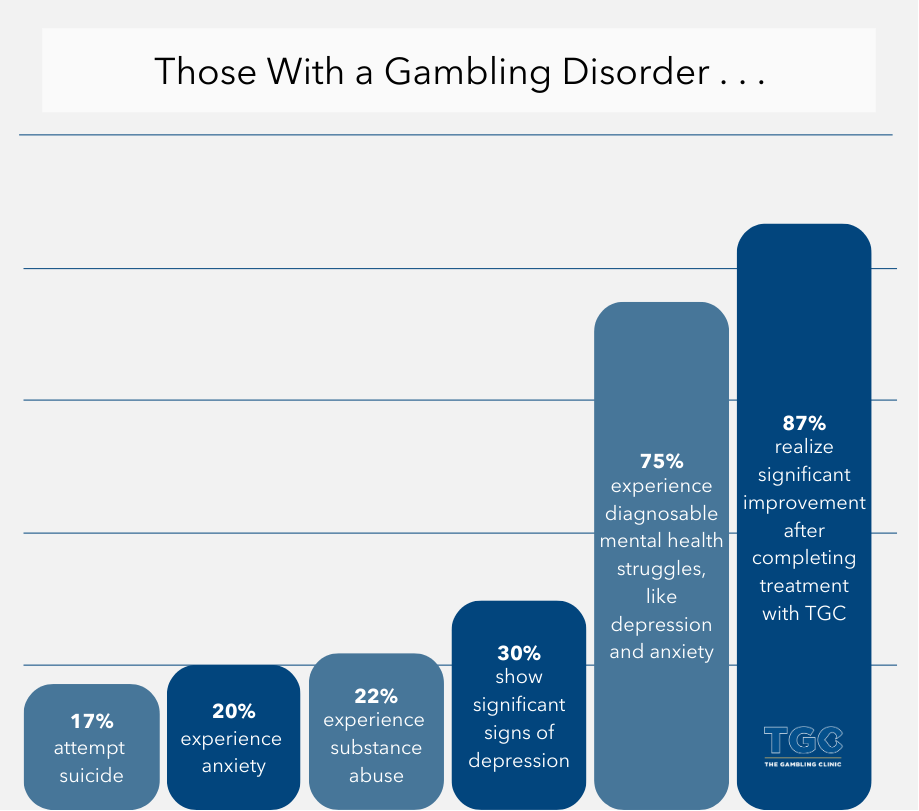
- On average, each person with a gambling problem harms six other people, often those who care about them most.
- About 75% of people seeking treatment for a gambling problem also live with at least one other mental health condition.
- Roughly 30% experience major depression, and anxiety is common as well. Population studies estimate that more than a third of people with gambling problems have an anxiety disorder.
- Substance use frequently co-occurs: population research finds that over half of people with gambling problems also have a substance use disorder.
- About 13% of people with gambling problems have attempted suicide, and roughly 32% have experienced suicidal thoughts.
It is important not to trust fabricated online statistics when it comes to gambling. The chances of winning a large sum of money are slim, and unfortunately, many individuals suffer greatly when their gambling spirals out of control. It is important to be aware of the potential risks and to gamble responsibly.
If you or someone you know is struggling with gambling, it’s crucial to seek help as early as possible. Many resources are available to assist individuals in overcoming gambling addiction and regaining control over their lives.
Warning Signs of Problem Gambling
Although it may appear simple to halt gambling before it escalates into a problem, the impact of gambling on brain chemistry can create difficulties in quitting. Recognizing the indications that problem gambling is emerging is crucial in averting the progression into full-fledged gambling addiction.
Here are some things that could indicate social gambling has turned into problem gambling:
- When gambling is the cause of your financial distress.
- When relationships with your friends and family suffer because of your gambling.
- Finding yourself using gambling as an escape mechanism to relieve boredom or distress.
- Being constantly preoccupied with gambling or spending significant time planning gambling activities and devising ways to obtain more money for gambling.
- Developing a tolerance to gambling that requires more significant amounts of money to achieve the same level of excitement or thrill.
- Struggling to control, reduce, or stop gambling despite repeated attempts and unsuccessful outcomes.
- Experiencing restlessness or irritability when attempting to cut back on or abstain from gambling.
- Engaging in desperate attempts to recover lost money by gambling even more (chasing losses).
- Engaging in deception or lying to loved ones or others to conceal the true extent of gambling activities.
- Putting important relationships, employment, education, or career opportunities at risk or losing them entirely due to gambling-related issues.
- Requesting financial assistance from others to resolve dire financial circumstances resulting from excessive gambling.
Take a free, confidential screener for feedback on your gambling:
Fact: 90% of Those With a Gambling Problem Never Seek Treatment
Observing gambling problems and disorders is often challenging, and individuals experiencing such issues are frequently unaware of their deteriorating situation. Even if they recognize a problem, many do not perceive their gambling behavior as a genuine addiction. In fact, only a small fraction, approximately 1 out of 10 individuals with gambling concerns, seek professional assistance. This low percentage highlights the need for increased awareness and accessibility to treatment options.
It is crucial to remain vigilant regarding these warning signs, whether in oneself or someone you love, and seek support from trusted professionals specialized in gambling addiction, such as those available at The Gambling Clinic®. Research indicates that engaging in 8 to 10 sessions with a qualified expert can significantly mitigate problems associated with gambling, develop effective strategies to manage gambling urges, and ultimately reduce the frequency of gambling activities. Early intervention can prevent more severe consequences and improve overall well-being.
Gambling disorders do not have to plague your life. Help is available, and it works. People who complete the treatment program almost completely alleviate their symptoms related to gambling disorders. If you are interested in treatment for gambling addiction or problem gambling, either for you or a loved one, reach out to us at The Gambling Clinic®.
How to Gamble Responsibly
Thankfully, the chances of developing a harmful addiction to gambling are relatively low. According to statistical data, only a small percentage, ranging from 3% to 7%, of individuals who gamble experience gambling addiction and gambling-related problems.
The problem is that you don’t know how you will involuntarily react to gambling until you do it the first time. Similar to having that initial alcoholic drink, gambling can elicit involuntary reactions that may reveal an underlying compulsive behavior. For some, recreational gambling remains an enjoyable form of entertainment. However, others may unexpectedly face the devastating consequences of compulsive gambling.
Whether you are a novice or an experienced gambler, practicing responsible gambling is essential. To help you keep gambling enjoyable and avoid developing a gambling addiction, we’ve compiled our top tips for responsible gambling.
Only Spend Disposable Income
When engaging in gambling activities, adhering to the golden rule of using only your disposable income is crucial. This refers to the remaining money after fulfilling your financial obligations and setting aside savings. Remember, consider any losses as the cost of entertainment, while any winnings should be seen as a bonus.
Set Money Limits
To gamble responsibly, it is essential to establish money limits. Determine the maximum amount you are willing to spend or lose during each gambling session. Setting a budget helps you exercise control over your finances and prevents excessive or impulsive gambling.
Set Time Limits
In addition to monetary boundaries, setting time limits when gambling is equally important. Decide in advance how long you intend to engage in gambling activities. Allocating specific timeframes helps prevent excessive gambling and ensures you maintain a healthy balance in your life.
Take Breaks
Taking regular breaks during gambling sessions is beneficial for various reasons. It allows you to refresh your mind, reassess your strategies, and prevent impulsive decision-making. Stepping away from the gambling environment can help you maintain focus and avoid becoming emotionally overwhelmed.
Don’t Use Credit Cards or Borrow Money to Gamble
It is strongly advised not to use credit cards or borrow money for gambling to prevent financial difficulties and potential debt. Relying on borrowed funds increases the risk of financial instability and can lead to problematic gambling behaviors. Stick to using only your disposable income. Remember the golden rule: If you don’t have it, don’t spend it.
Don’t Gamble While Intoxicated
A recent meta-analysis and systematic review did not find a relationship between alcohol and risk-taking while gambling. Instead, it may be that people’s expectations about how alcohol affects them drive them to believe that they are more impulsive or less inhibited when they gamble under the influence.
Despite this, it is not advisable to consume substances like alcohol or drugs while gambling. These substances are known to impair judgment and decision-making abilities, which can result in unwise gambling choices. It is always better to stay sober and clear-headed when participating in gambling.
Don’t Gamble When Upset or Stressed
Gambling should never be used as a means to cope with emotional distress, such as when feeling upset or stressed. Emotions can cloud judgment and influence impulsive actions. It is best to engage in gambling activities when you are in a calm and positive state of mind.
Expect to Lose
Understanding and accepting the odds is vital for responsible gambling. It is important to recognize that losing is a natural part of the gambling experience. Gambling outcomes rely on luck rather than skill, and the odds are typically not in your favor. Maintain realistic expectations and be prepared for both wins and losses.
Engage in Alternative Activities
To maintain a balanced lifestyle, it’s important to have alternative activities that you enjoy aside from gambling. This can include hobbies, physical exercise, socializing with friends and family, or other forms of entertainment. Diversifying your interests helps reduce the risk of developing a gambling addiction and promotes overall well-being.
Conclusion
At The Gambling Clinic®, we are not anti-gambling. We maintain a neutral stance towards those who want to frequent casinos and place sports bets, recognizing its potential as a social and entertaining activity. That said, we are advocates of truth. Claims propagated by false headlines or memes, such as “90% of Gamblers Quit Before They Hit It Big,” should be exposed as fabricated for entertainment purposes and well known to be entirely false.
Gamblers need to be informed that regardless of whether they place a single bet or multiple wagers, gambling outcomes are influenced by chance, and there are no guarantees of winning or breaking even. Knowing your true odds and practicing responsible gambling from day one can help you maintain control over your gambling activities and ensure it doesn’t negatively impact other aspects of your life.
Always practice responsible gambling strategies and seek help from trusted professionals if you think your gambling is becoming problematic. The Gambling Clinic® has physical clinics in Memphis, Johnson City, and Nashville. People looking for help can visit one of these clinics in person or, with a therapist, attend a telehealth appointment via a secure and confidential video portal.
What to Expect at The Gambling Clinic
Here at The Gambling Clinic, we partner with you so you can take control of your gambling and be the person you want to be. Start by reaching out via our contact us page or calling. We will work with you to determine whether in-person or telehealth therapy is appropriate.
Throughout our therapy program, you will identify high-risk gambling situations, develop new strategies to think about gambling, and find alternatives to gambling that align with what matters to you.
Before your first session, you will need to provide your ID, review the consent form, ask any questions that arise, and complete the online assessment. All of your information is confidential, and it should take only 30-45 minutes to complete. Once you have completed this, you are ready to start treatment with a therapist on our treatment team.
If you or a loved one needs help, don’t hesitate to reach out. Early intervention can make a significant difference in preventing and treating gambling addiction. Remember, help is available, and taking the first step towards recovery is crucial to a healthier, more balanced life.
Frequently Asked Questions
How do I Know if I Have a Gambling Problem?
If you suspect you have a gambling addiction or gambling-related problems, you could have experienced distress related to finances, relationships, employment, education, or overall health and well-being.
When Should I Seek Treatment?
You should seek treatment right away if you suspect you have a gambling problem. The staff at The Gambling Clinic is here to help you recover and take control of your gambling urges.
How Can I Gamble Safely?
If you’re working to limit your gambling urges, set rules for yourself. Only spend disposable income, set money and time limits, and take frequent breaks from gambling. To maintain a balance, engage in alternative activities that you enjoy aside from gambling.
How Do I Start at The Gambling Clinic?
You can either attend in-person therapy or schedule a telehealth appointment. Schedule a consultation today to take control of your life and learn how to overcome your gambling-related problems.