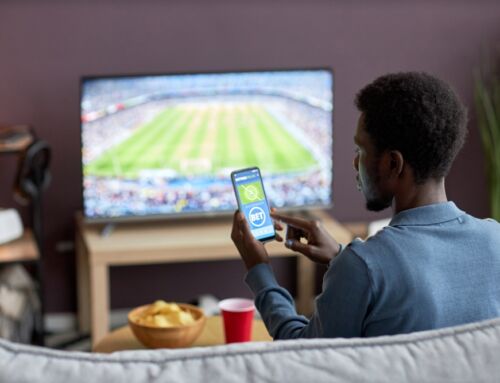

Are prediction markets a type of gambling? Many people in Tennessee are asking this, especially now that apps like Kalshi and Polymarket are showing up next to other popular online sportsbooks. These companies state that this is trading or contracting and not gambling. Maybe someone you know has seen you checking event contract prices, just like you once checked game lines, and they’re unsure what to think. Whatever your situation, it’s a question worth asking.
This guide explains what these platforms are and what to do if you recognize any of the signs below.
What Are Prediction Markets Like Kalshi and Polymarket, and Are They Gambling?
A prediction market lets you buy a “contract” on whether something will happen. For example, you can predict live sports, elections, government decisions, or pop culture events. These apps cover many topics, so they appeal to a wide range of people. You buy a “yes” or “no” share, which costs anywhere from one cent to ninety-nine cents. If you’re right, you get a dollar. If you’re wrong, you lose what you put in.
Kalshi and Polymarket are the biggest platforms, and both Robinhood and Crypto.com now offer their own event contracts. Sports account for much of the activity on these exchanges, even though they are not advertised as sportsbooks.
So, is Kalshi gambling? Yes. These companies call their products trading. They point to oversight by the Commodity Futures Trading Commission as proof that an event contract is a financial product, not a bet. That argument doesn’t hold up. If you put money on the outcome of a game and only get paid when you guess right, you’ve placed a bet, whatever the app calls it.
Even in the investing world, the difference is clear. According to Charles Schwab’s head of Retail Investing, investing means owning assets for the long term so they can grow in value. Gambling, on the other hand, is making a short-term bet on a yes-or-no result. A contract on who wins Sunday’s game is gambling, not investing. It does not give you ownership in anything that can increase in value. You either win money or you do not.
From a clinical point of view, the label changes very little. The experience affects the brain in the same way, no matter what you call it.
How Do They Differ in Regulation from a Sportsbook?
Prediction markets and sports betting apps both take bets. One key difference is who regulates them. Sports betting apps in Tennessee answer to the Tennessee Sports Wagering Council. This Council regulates sports betting operators to ensure that Tennessee citizens who choose to bet are protected. Prediction markets like Kalshi are licensed under federal commodities law and overseen by the Commodity Futures Trading Commission. This Commission regulates to ensure that contracts meet trade rules, but it does not ensure that those buying the contract are protected. That licensing path is the only reason these platforms can call what they offer “trading” in their marketing. It doesn’t make the activity an investment. A contract that pays you only if a team wins is a bet.
What different regulators do change is how much protection you get. Tennessee sports betting apps must offer deposit limits, cooling-off periods, and self-exclusion, and the state’s self-exclusion list must cover them. Prediction markets don’t face those same requirements, and the Tennessee list doesn’t cover them. Someone who joined that list to stay away from sportsbooks can still download a prediction market app and bet on the same games. The age limit is lower too. You must be 21 to use a sportsbook in Tennessee, but prediction markets accept users at 18.
Why the Experience Can Feel the Same as Betting
This is where our experience matters, regardless of how a wager is labeled on paper.
The same things that make sports betting exciting also show up in Kalshi or Polymarket contracts on games. You see live prices change as you watch, and there’s a countdown until the result. As soon as one market closes, you can join another for the next game, quarter, or headline. You don’t need to call it “gambling” for it to feel just as appealing.
Event-contract trading carries risks for consumers much like traditional sports betting. These include chasing losses, acting on impulse, and the chance of gambling harm. Regulators talk about these risks in almost the same way clinicians describe problem gambling, even if the legal terms are different.
How you view these activities is more important than many people think. If you see yourself as investing rather than betting, you might overlook warning signs you would notice in a casino or on a sportsbook app. This difference in how you see yourself is why prediction markets deserve their own discussion.
Signs That Prediction Market Betting Has Become a Problem
Betting on prediction markets is gambling, so the warning signs are the same ones seen with a gambling problem:
- You’re checking odds or placing bets more often than you planned to, or betting more to get the same sense of excitement.
- You feel restless or irritable when you try to cut back.
- After a loss, you place another bet to try to win your money back. This is called chasing losses, and it’s one of the most common signs of problem gambling.
- You’ve downplayed or hidden how much time or money you’re spending on these apps, even to yourself.
- Your betting is starting to affect your finances, your sleep, or a relationship, and you’ve noticed it but kept betting anyway.
You don’t need to bet all the time or lose large amounts of money for these signs to matter. The pattern matters more than the amount.
What to Do If You Recognize Yourself Here
If any of this sounds familiar, you don’t have to have all the answers before reaching out. A free, confidential screening can help you get a clearer idea of your situation before you decide what to do next. The Gambling Clinic offers cognitive behavioral therapy for problem gambling, including for people whose gambling happens through newer channels like prediction markets. You don’t have to stop trading or betting completely if that’s not your goal. The treatment helps you notice the pattern and regain control.
Schedule an appointment with The Gambling Clinic. We serve all of Tennessee, with offices in Memphis, Nashville, and Johnson City, and telehealth available statewide. Cost is never a barrier to getting the care you need.
Frequently Asked Questions
Is trading on Kalshi legal where I live?
The federal Commodity Futures Trading Commission (CFTC) oversees Kalshi as a futures market, not through state gambling licenses. That’s how it can take bets in some states where traditional sports betting is restricted. In Tennessee, these apps are not covered by the same rules as sportsbooks.
Some states are challenging this, so the rules can change depending on where you are and even from month to month. Check the latest information for Tennessee before you place a bet.
Whether you bet on a game, an election, or the weather, it is still gambling. We believe it should be regulated as gambling. Just because it is legal in your state does not mean it is safer than a sportsbook. These apps are not required to offer the same protections, such as deposit limits or self-exclusion options.
Is a prediction market the same as sports betting?
Prediction markets and sports betting are regulated and classified differently by law. Still, they have the same basic idea: you risk money on an uncertain outcome, watch prices change in real time, and can win or lose. That’s what makes them appealing, no matter how the law defines them.
Does self-exclusion cover prediction markets?
Tennessee’s self-exclusion program covers licensed sports betting operators. Because prediction markets are regulated at the federal level, not through the state’s gaming system, they are not included in this list right now.
Can prediction markets cause gambling problems?
Yes, prediction markets can cause gambling problems, and clinicians and regulators are not closely monitoring this issue.
Prediction markets activate the same reward system in your brain as gambling does. Without consumer protections on prediction market platforms, they can create an illusion of skill, encourage chasing losses, and lead to financial distress. If you notice any of these or the signs above, take them seriously, no matter what the product is called.
If you are concerned about your own gambling or someone else’s, The Gambling Clinic can help you figure out what to do next.